
Carl Malone
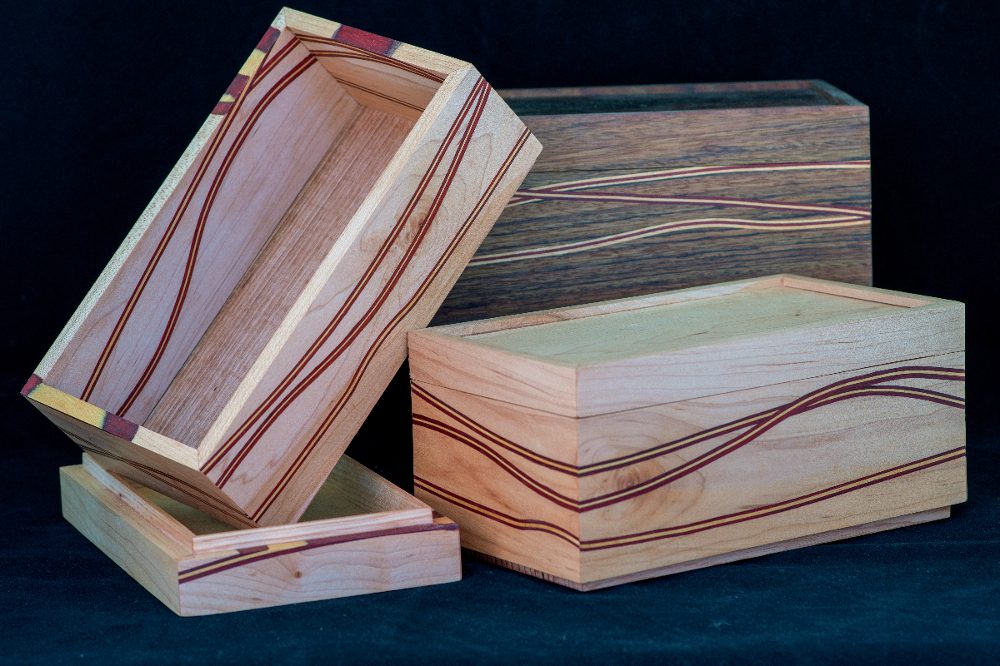
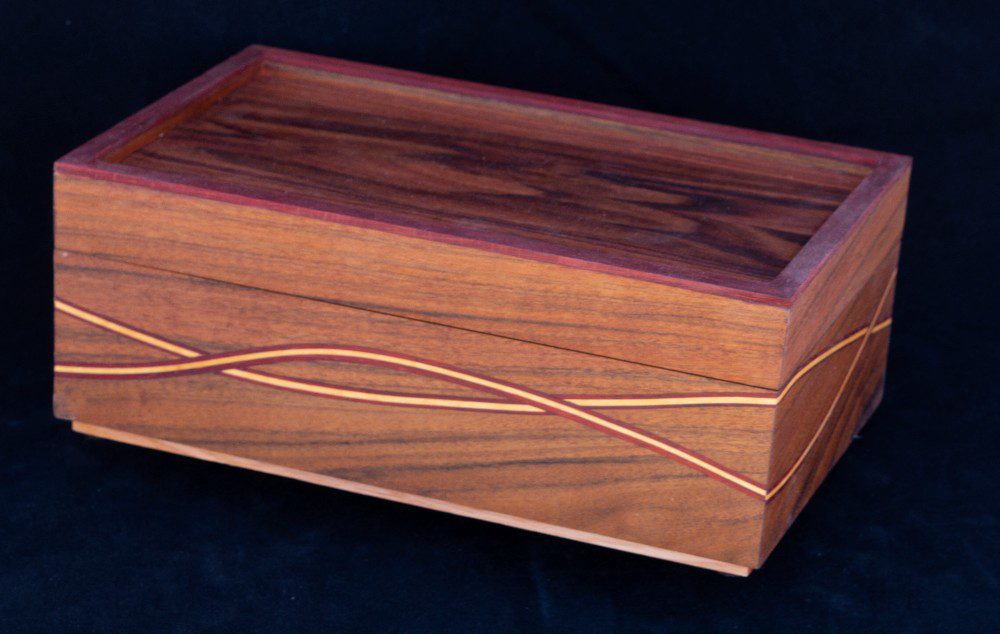
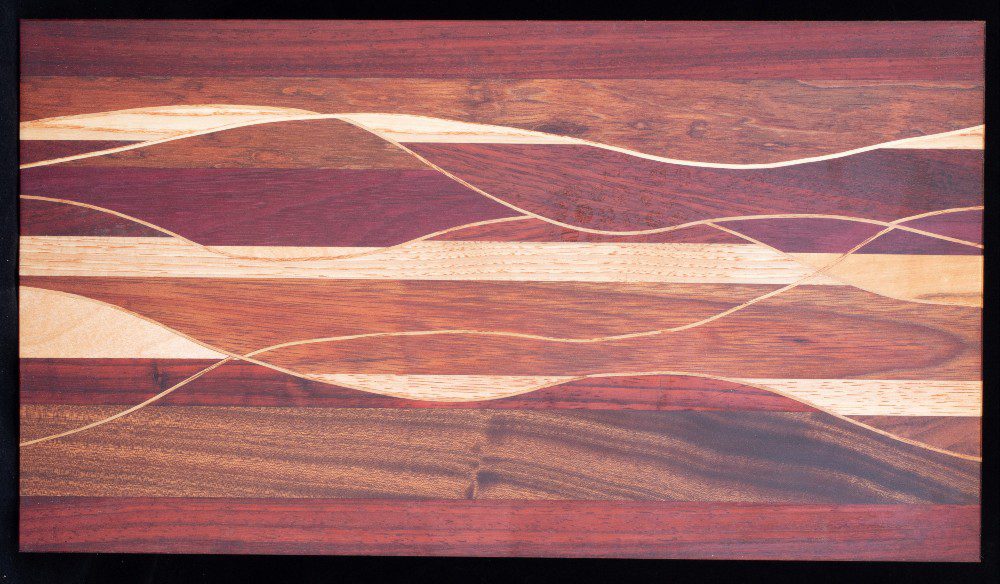
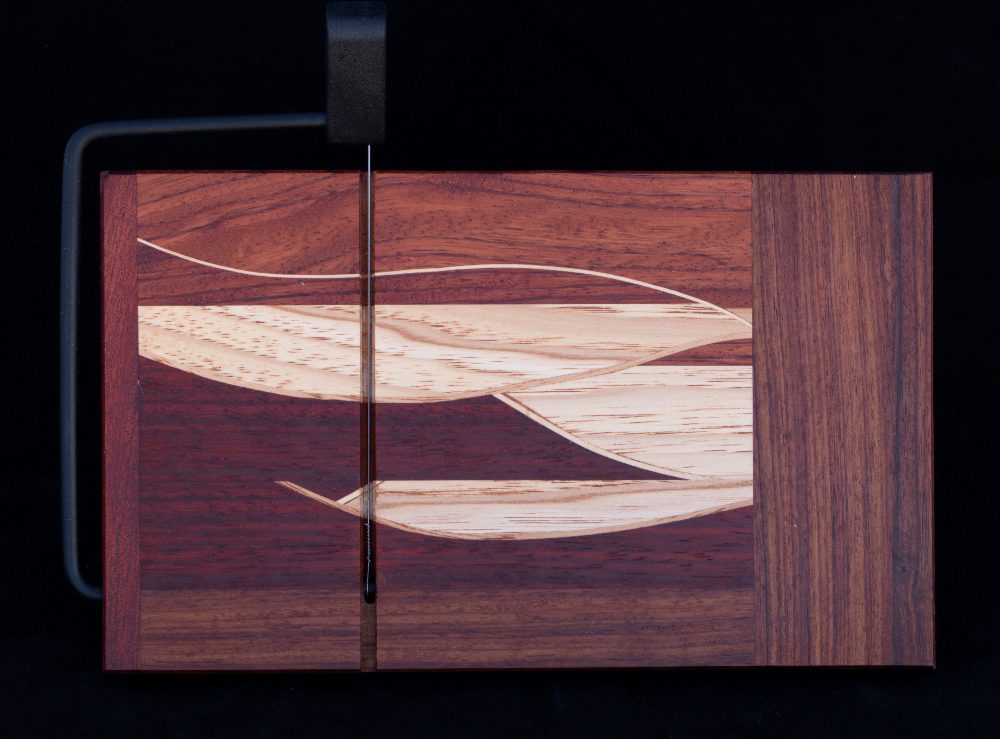
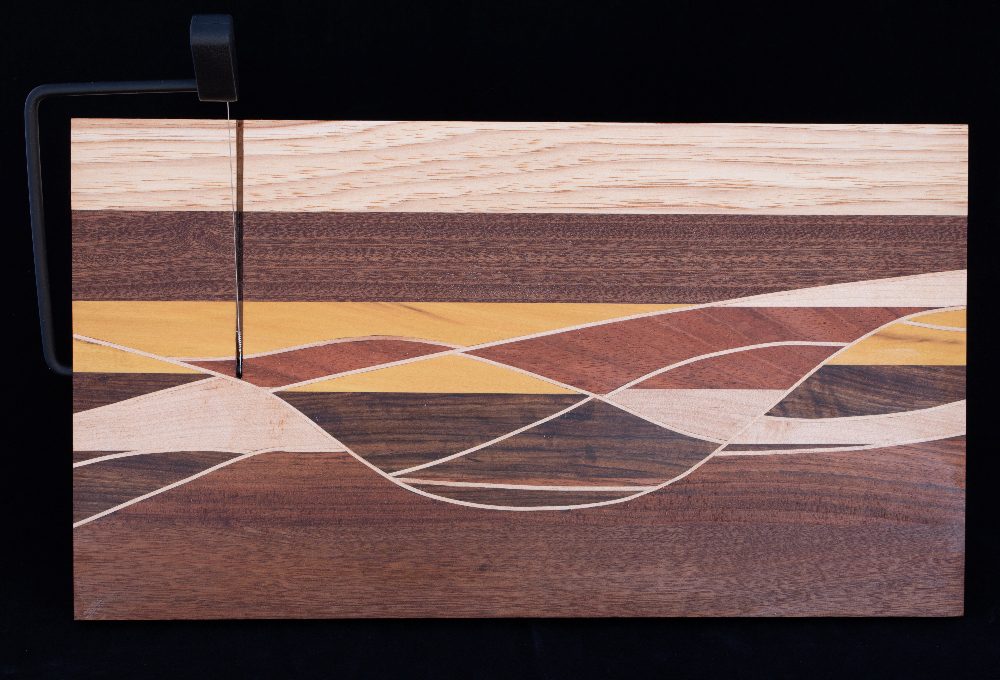
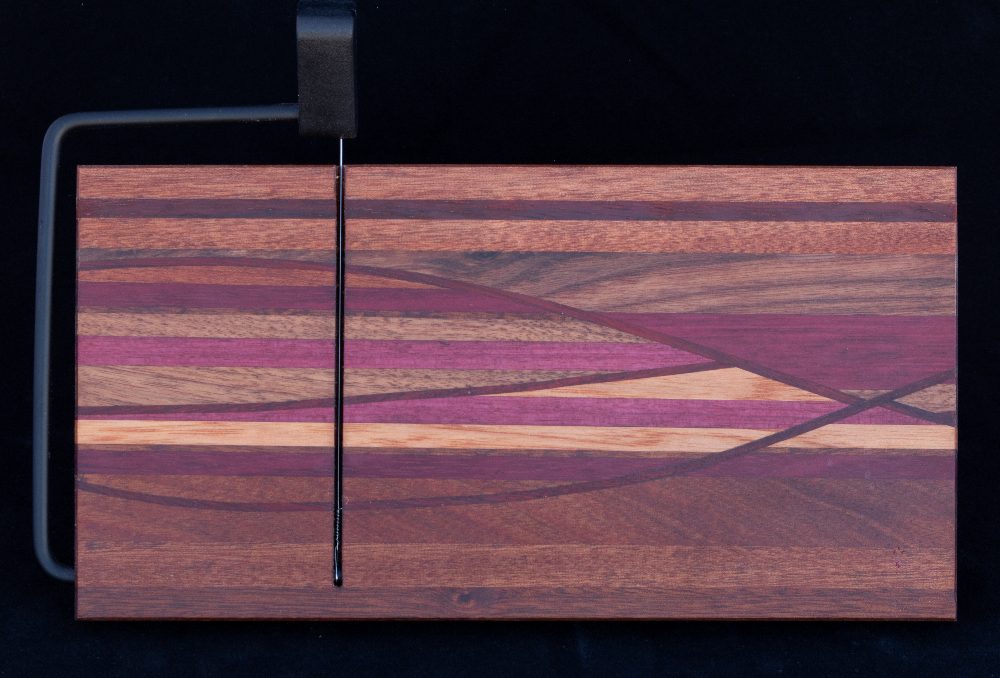
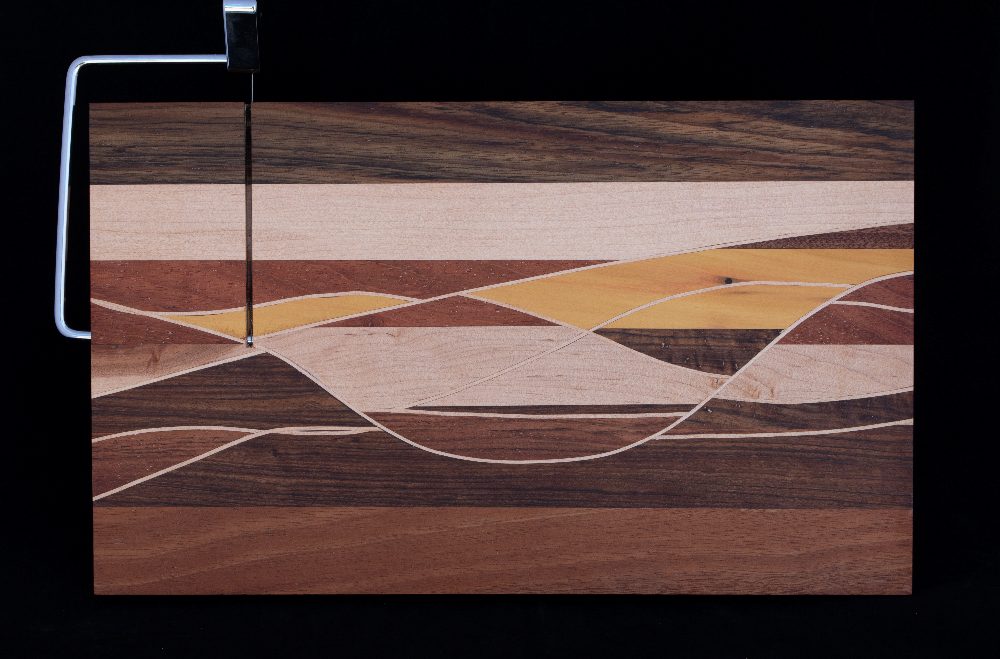
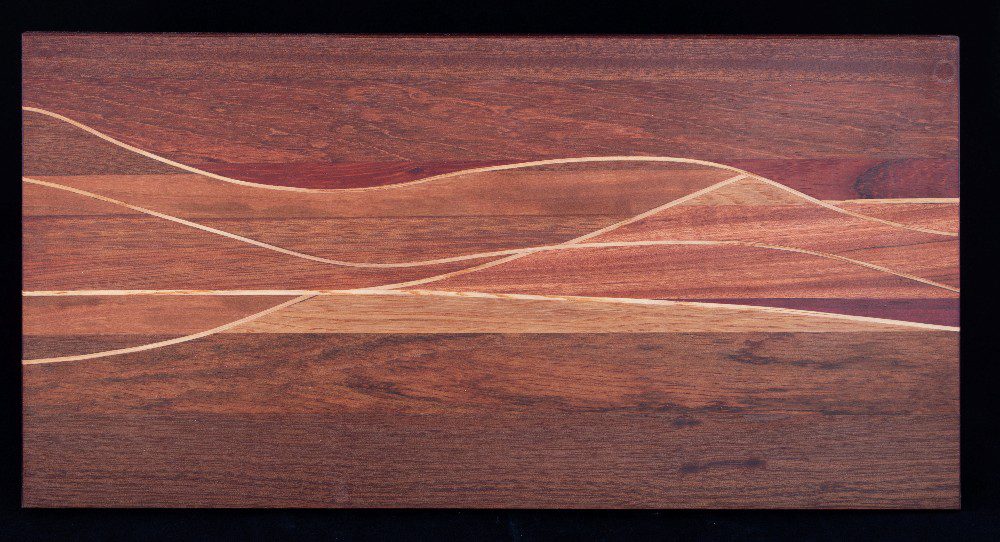
click thumbnail for larger view
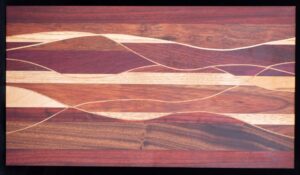
I was originally trained as a botanist, and I see wood as the product of a living organism, shaped over decades of growth. Unlike stone or man-made materials, wood carries within it the biological and environmental history of the tree from which it came. Its grain patterns, color variations, knots, and density all reflect the environment around the living tree: the amount of sunlight it received, the soil it grew in, the rain, the stress of wind, weather, disease, insects, and the changing seasons.
Consequently, every piece of wood is unique. This gives wood an expressive quality that few other materials possess—it doesn’t just serve a functional purpose, it communicates something about the natural world and the specific life of the organism it once was. Working with wood, then, means working in collaboration with nature itself, respecting the character and history embedded in every grain, knot, curve, and defect.
I typically use the woven wood technique – a woodworking illusion in which solid pieces of wood are cut and rejoined so they appear to be interlaced. Every wood piece is cut, milled, and sanded by hand or with desktop tools, with no CNC machinery involved at any stage. The boxes, charcuterie and cheese cutting boards are commonly made with combinations of Maple, Walnut, Cherry, Hickory, Sapele, Purple Heart, Padauk, Shedua, and Rosewood. The shaped pieces are fitted together and bonded with a waterproof, food-safe adhesive, then finished with 100% organic tung oil and organic beeswax.